
Summer Heat Safety for Dogs: How to Protect Your Pet in Hot Weather
As summer arrives, many families look forward to spending more time outdoors with their dogs. Longer days mean more walks, backyard playtime, lake trips, and outdoor adventures.
But warmer temperatures also introduce an important risk for pets: heat-related illness.
Unlike humans, dogs cannot regulate their body temperature as efficiently. This means they can overheat much more quickly — sometimes in a matter of minutes under extreme conditions.
Understanding how heat affects dogs and how to prevent overheating can help keep your pet safe throughout the summer months.
Why Dogs Overheat Faster Than Humans
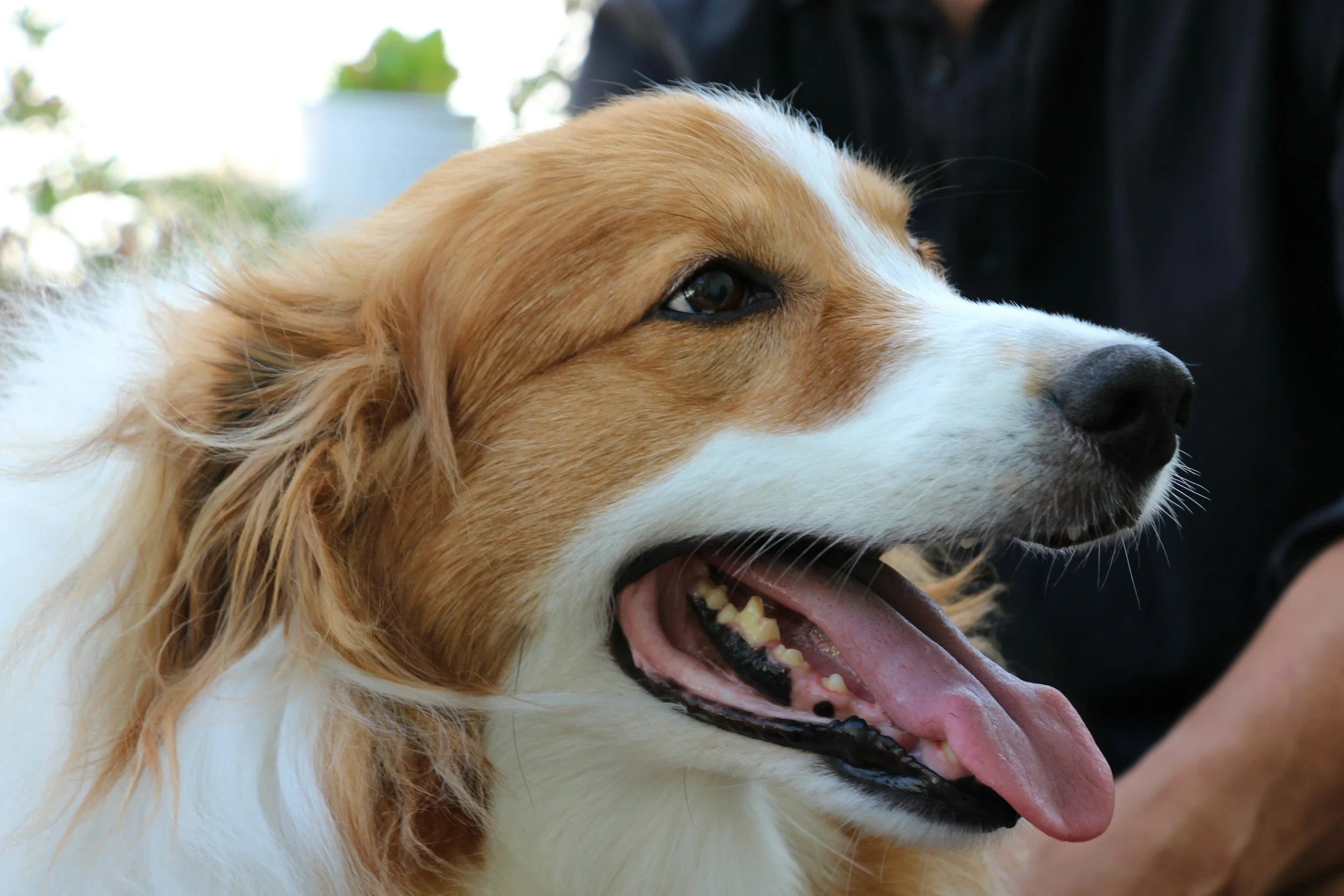
Dogs cool themselves primarily through panting, not sweating.
While humans sweat through their skin to regulate temperature, dogs have very limited sweat glands and rely mostly on airflow through panting to release heat.
When temperatures are high or humidity rises, panting becomes less effective. This can cause a dog’s internal body temperature to rise rapidly, potentially leading to heat exhaustion or heatstroke.
Certain dogs may be at higher risk, including:
• brachycephalic breeds (such as Bulldogs or Pugs)
• senior dogs
• overweight dogs
• dogs with respiratory conditions
• puppies
Even healthy dogs, however, can experience heat stress if precautions are not taken.
Signs of Overheating in Dogs
Recognizing the early signs of heat stress can make a critical difference.
Common symptoms include:
• excessive panting
• drooling
• lethargy or weakness
• vomiting
• unsteady walking
• bright red gums
If your dog shows these symptoms, move them to a cool area immediately and provide fresh water. Contact your veterinarian if symptoms persist or worsen.
Severe heatstroke can become a medical emergency.
Avoiding Hot Pavement
One of the most overlooked dangers during summer is hot pavement.
Sidewalks, asphalt, and parking lots can reach extremely high temperatures when exposed to direct sunlight. These surfaces can burn a dog’s paw pads within seconds.
A simple rule many veterinarians recommend is the seven-second test:
Place your hand on the pavement for seven seconds. If it is too hot for your hand, it is too hot for your dog’s paws.
When possible, walk dogs during cooler hours of the day such as early morning or evening.
Hydration Is Essential
Proper hydration helps dogs regulate body temperature and prevent overheating.
During warmer months, always ensure your dog has access to fresh, clean water, especially when spending time outdoors.
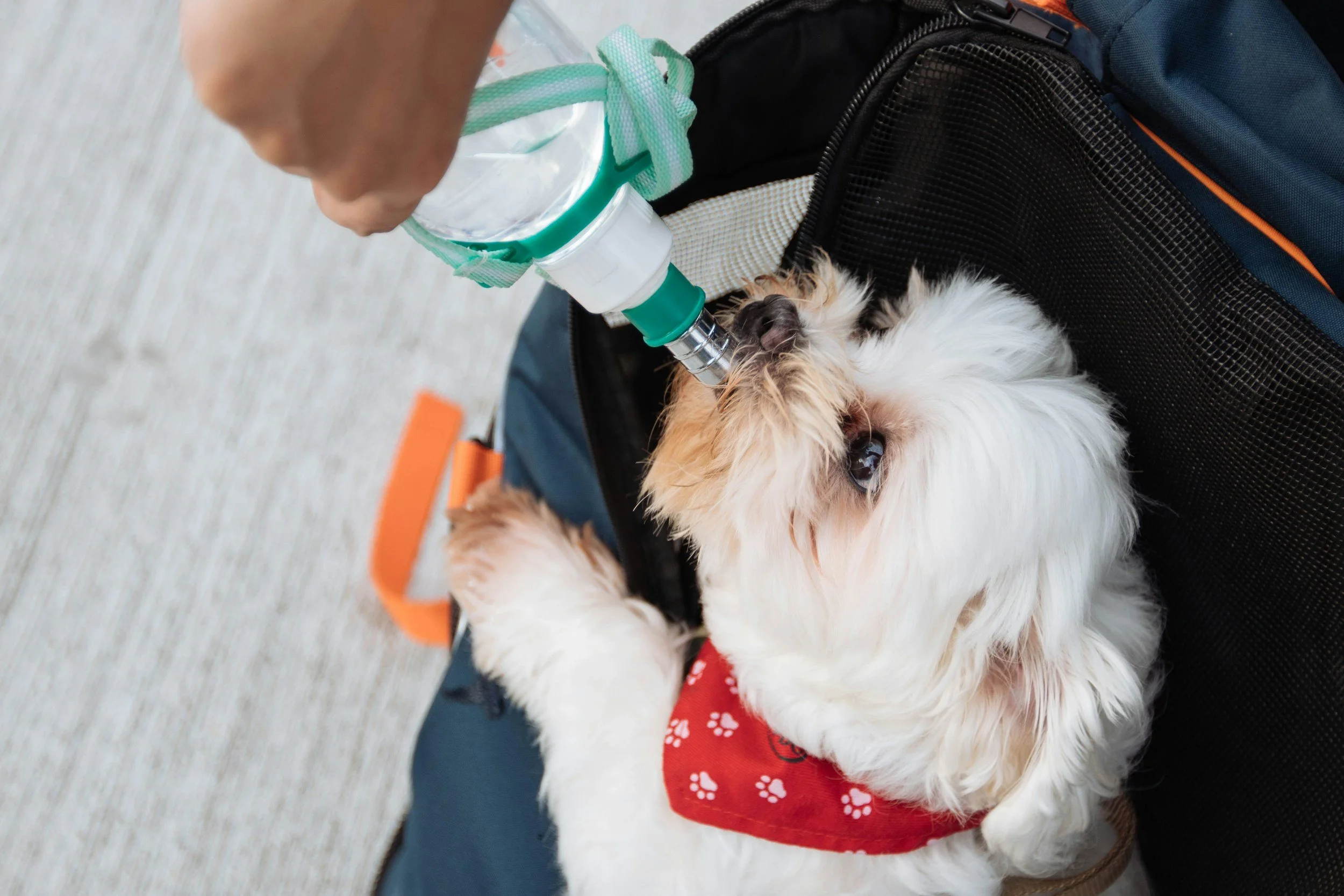
Portable water bottles designed for dogs can also be helpful for hikes, travel, or long walks.
Provide Shade and Cooling Opportunities
Dogs spending time outside should always have access to shaded areas where they can cool down.
Trees, covered patios, or shaded structures can provide relief from direct sunlight.
Many dogs also benefit from cooling activities such as:
• shallow splash pools
• supervised swimming
• resting indoors during peak heat hours
Protecting Your Dog’s Paws
Hot pavement, sand, and rocky terrain can be tough on dogs’ paws during summer.
Protective balms can help keep paw pads moisturized and reduce cracking caused by heat exposure.
Recommended Option:
This balm helps protect sensitive paw pads from rough terrain and seasonal temperature changes.
Supporting Active Dogs During Summer
Dogs that remain active during summer months may benefit from nutritional support to maintain energy and overall wellness.
Recommended Supplements:
These supplements support:
• immune health
• joint support
• energy levels
• digestion
High-value treats can also be useful for training sessions and enrichment activities.
Recommended Training Reward:
These protein-rich treats are easy to break into small pieces and work well during training exercises.
Helping Dogs Stay Calm During Summer Events
Summer often includes fireworks, travel, and changes in routine — all of which can cause stress for some dogs.
Supplements designed to promote relaxation may help dogs remain calm during these situations.
Recommended Option:
These supplements are often used during:
• fireworks
• travel
• vet visits
• boarding stays
Final Thought
Summer can be a wonderful season for outdoor adventures with your dog. With a few simple precautions — including proper hydration, avoiding extreme heat, and protecting sensitive paws — pets can safely enjoy the warmer months.
Staying aware of heat risks and planning outdoor activities carefully helps ensure your dog remains comfortable, healthy, and ready for summer fun.
References
American Veterinary Medical Association. (2023). Hot Weather Pet Safety.
https://www.avma.org
American Kennel Club. (2023). How to Protect Dogs in Hot Weather.
https://www.akc.org
PetMD. (2023). Heatstroke in Dogs: Symptoms and Prevention.
https://www.petmd.com
Merck Veterinary Manual. (2022). Heat Stress in Dogs.
https://www.merckvetmanual.com