
🌿Why Do Dogs Eat Grass? Understanding This Common Dog Behavior
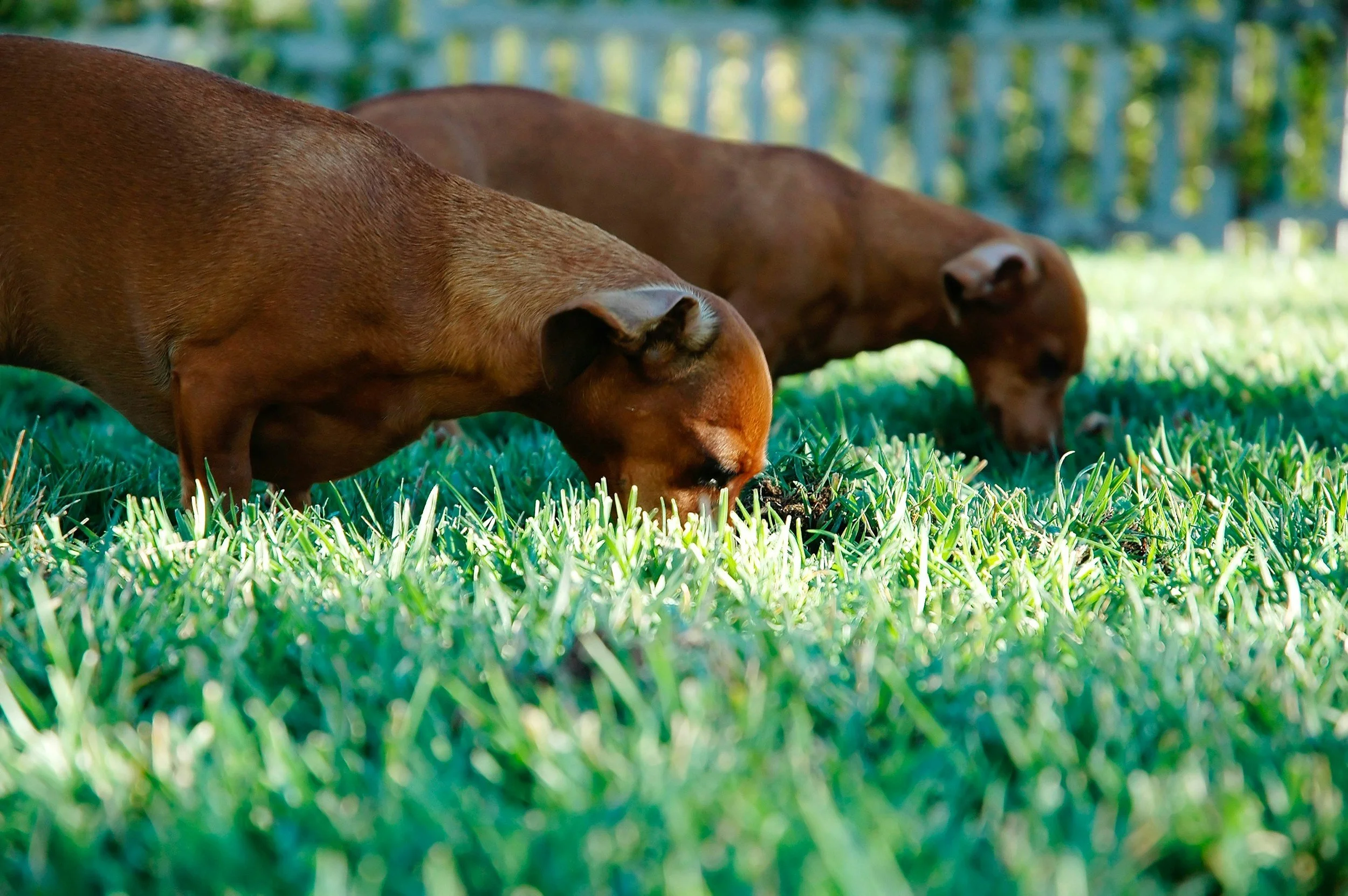
Many dog owners have watched their dog suddenly stop during a walk, lower their head, and start munching on grass like a tiny lawnmower.
It’s one of the most common questions veterinarians hear:
“Why does my dog eat grass?”
While it can look strange — and sometimes worrying — the truth is that grass eating is usually completely normal for dogs. Let’s explore the most common reasons this behavior happens.
Is It Normal for Dogs to Eat Grass?
Yes — in most cases, grass eating is a normal dog behavior.
Studies have shown that many healthy dogs occasionally eat grass without any signs of illness. Dogs may chew on grass while exploring outdoors or simply because they enjoy the texture.
Wild canine ancestors often consumed plant material while hunting prey, so grass eating may be a leftover natural instinct.
Grass and Digestive Health in Dogs
Grass contains fiber, which can help support healthy digestion.
Some dogs instinctively eat grass when they feel mild stomach discomfort. Occasionally this may lead to vomiting, but most dogs digest grass normally.
Research suggests that fewer than 25% of dogs who eat grass show signs of illness beforehand, meaning the behavior is often harmless.
Curiosity and Environmental Exploration
Dogs rely heavily on scent and taste to explore the world around them.
Fresh grass — particularly in spring and early summer — carries strong smells that may attract curious dogs.
For many dogs, chewing grass is simply another way to investigate their environment.
Boredom and Lack of Mental Stimulation
Sometimes grass eating is linked to boredom.
Dogs that lack physical activity or mental stimulation may create their own entertainment outdoors.
Providing enrichment activities can help reduce boredom-related behaviors.
Helpful enrichment tools include:
🐾 Snuffle Mats – encourage natural foraging behavior
🧠 Puzzle Feeders – turn mealtime into a mental challenge
🦴 Training Treats – motivate dogs during games
Recommended Treat Option:
🍗 Dehydrated Chicken Jerky Treats
High-protein training rewards that work well for enrichment activities and training sessions.

When Should You Worry About Grass Eating?
Grass eating is usually harmless, but certain situations may require attention.
Contact your veterinarian if your dog:
• eats large amounts of grass frequently
• vomits repeatedly after eating grass
• shows signs of illness or lethargy
• loses appetite
Another important factor is chemical exposure. Grass treated with pesticides, herbicides, or fertilizers may be harmful if ingested.
Supporting Calm Behavior and Digestive Comfort
Routine changes — such as travel, boarding, or household disruptions — can sometimes affect digestion and behavior.
In these situations, some dogs benefit from supplements that support relaxation.
Recommended Option:
🌿 Calming Chews
Helpful during travel, storms, vet visits, or other stressful events.
Final Thought
In most cases, dogs eat grass simply because it’s a natural and harmless behavior. As long as the grass is chemical-free and your dog appears healthy, occasional grazing is usually nothing to worry about.
Like many canine quirks, it’s just another way dogs explore their world.
References
American Kennel Club. (2023). Why Do Dogs Eat Grass?
Hart, B. L. (2008). Why Do Dogs Eat Grass? A Study of Grass-Eating Behavior in Dogs.
PetMD. (2023). Why Dogs Eat Grass.
Merck Veterinary Manual. (2022). Gastrointestinal Behavior in Dogs.