
Why Boarding Facilities Require Vaccines — And How to Prepare Your Dog for Their Stay
As summer travel season begins, many pet owners start planning vacations, family visits, and weekend trips. Along with travel plans comes an important question:
“What do I need to do before my dog can stay at a boarding facility?”
One of the most common requirements is proof of current vaccinations. While this step may seem like extra paperwork, vaccine policies are one of the most important ways boarding facilities protect the health and safety of every dog in their care.
In addition to vaccinations, preparing your dog ahead of time can make boarding a much smoother and more comfortable experience.
Let’s take a closer look at why vaccines matter — and how to help your dog feel confident during their stay.
Why Vaccinations Are Required for Dog Boarding
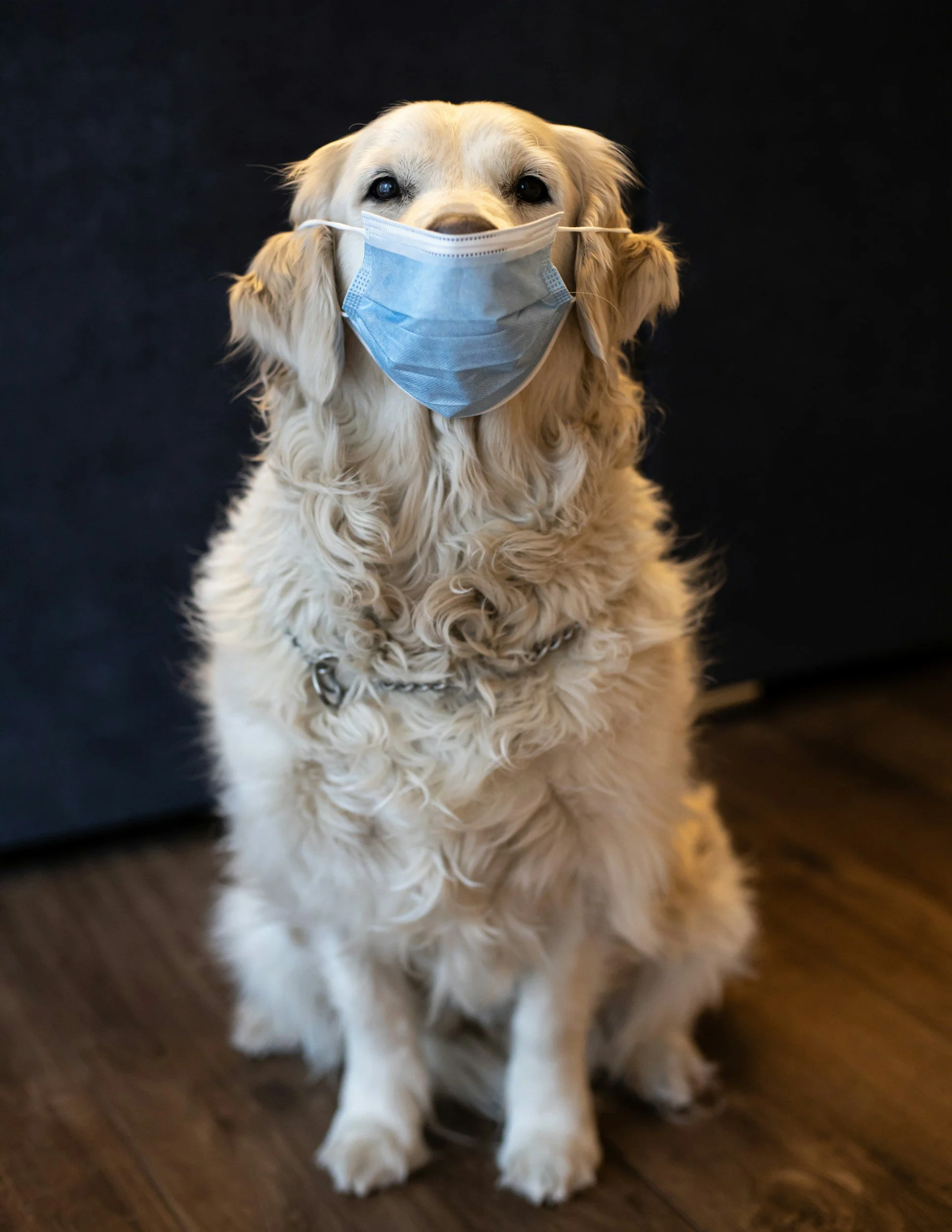
Boarding facilities bring together dogs from many different households. Even healthy pets can carry bacteria or viruses without showing symptoms, which means illnesses can spread quickly in shared environments.
Vaccines help protect dogs against some of the most contagious diseases.
Common vaccines required for boarding typically include:
• Rabies
• DHLPP
• Canine Influenza (CIV)
• Bordetella (Kennel Cough)
These illnesses can spread through:
shared surfaces
respiratory droplets
close interaction between dogs
Vaccination policies help reduce these risks and create a safer environment for every pet staying at the facility.
Protecting Puppies, Seniors, and Vulnerable Dogs
Not every dog has the same level of immune protection.
Some pets are more vulnerable to illness, including:
• puppies with developing immune systems
• senior dogs
• dogs recovering from illness or surgery
Requiring vaccinations ensures that all dogs entering the facility meet the same health standards, which helps protect pets that may be more susceptible to infection.
Preparing Your Dog for Their First Boarding Stay
Beyond vaccinations, a little preparation can go a long way in helping dogs adjust to a boarding environment.
Dogs thrive on routine and familiarity, so introducing new experiences gradually can help reduce stress.
Training for boarding doesn’t require complex commands. Instead, it focuses on building confidence, independence, and comfort with new environments.
Practice Short Separations
Dogs that have never spent time away from their owners may feel confused during their first boarding stay.
Practicing short separations beforehand helps dogs learn that time apart is temporary and safe.
You can start by:
• leaving your dog with a trusted friend or family member
• scheduling a short daycare visit
• stepping out for brief errands and gradually increasing the time away
These small experiences help dogs build independence and confidence.

Reinforce Calm Behavior
Boarding environments introduce new sights, sounds, and activity levels. Dogs that learn to relax in different environments often adapt more quickly.
You can encourage calm behavior by:
• rewarding your dog when they settle on a bed or mat
• practicing quiet time after play
• praising calm greetings instead of jumping
Training rewards can help reinforce this behavior.
Recommended Training Reward:
🥩 Beef Meatball Treats
These treats are easy to break into small pieces and work well for rewarding calm behavior during training sessions.
Help Your Dog Feel Comfortable Around New People
During boarding stays, staff members will be responsible for feeding, exercise, and supervision.
Dogs that are comfortable interacting with different people typically adjust more easily.
Helpful ways to build confidence include:
• inviting friends to offer treats or playtime
• visiting pet-friendly locations
• exposing your dog to gentle interactions with new people
Positive experiences help dogs learn that new environments and new people can be safe and enjoyable.
Maintain Consistent Routines
Dogs feel most comfortable when their routines stay predictable.
Before boarding, try to keep daily habits consistent, including:
• feeding schedules
• walk times
• bedtime routines
When dropping off your dog, sending familiar items can also help maintain a sense of comfort.
Helpful items include:
• their regular food
• a favorite toy
• a familiar blanket or bedding
These familiar scents can help reduce anxiety during the transition.
Supporting Your Dog’s Health and Wellness
Maintaining overall health helps dogs handle new environments more comfortably.
Some pet owners choose to support their dog’s immune system and general wellness with daily supplements.
Recommended Option:
These supplements help support:
• immune health
• energy levels
• digestion
• overall wellness
Helping Dogs Stay Calm During Travel and Routine Changes
Travel, boarding, thunderstorms, and new environments can sometimes cause mild stress for dogs.
For pets that experience anxiety during routine changes, calming supplements may help promote relaxation.
Recommended Option:
These supplements can help support calm behavior during:
• travel
• boarding stays
• vet visits
• thunderstorms or fireworks
Final Thought
Vaccination requirements are not simply a policy — they are an important part of protecting the health and safety of every dog in a boarding environment.
With up-to-date vaccines and a little preparation beforehand, most dogs adjust quickly and comfortably to their boarding stay.
Planning ahead helps ensure that both pets and their owners can travel with confidence and peace of mind.
References
American Veterinary Medical Association. (2023). Vaccination Guidelines for Dogs.
https://www.avma.org
American Animal Hospital Association. (2022). AAHA Canine Vaccination Guidelines.
https://www.aaha.org
Centers for Disease Control and Prevention. (2023). Rabies Vaccination Requirements.
https://www.cdc.gov
American Kennel Club. (2023). Preparing Your Dog for Boarding.
https://www.akc.org