
Teaching Independence: Reducing Velcro-Dog Behaviour Without Guilt
Some dogs love being close — but when your dog struggles to relax without you, it can lead to stress for both of you. Velcro-dog behaviour often starts with good intentions, but without guidance, it can turn into anxiety and dependence.
Teaching independence isn’t about pushing your dog away — it’s about helping them feel safe, confident, and relaxed on their own.
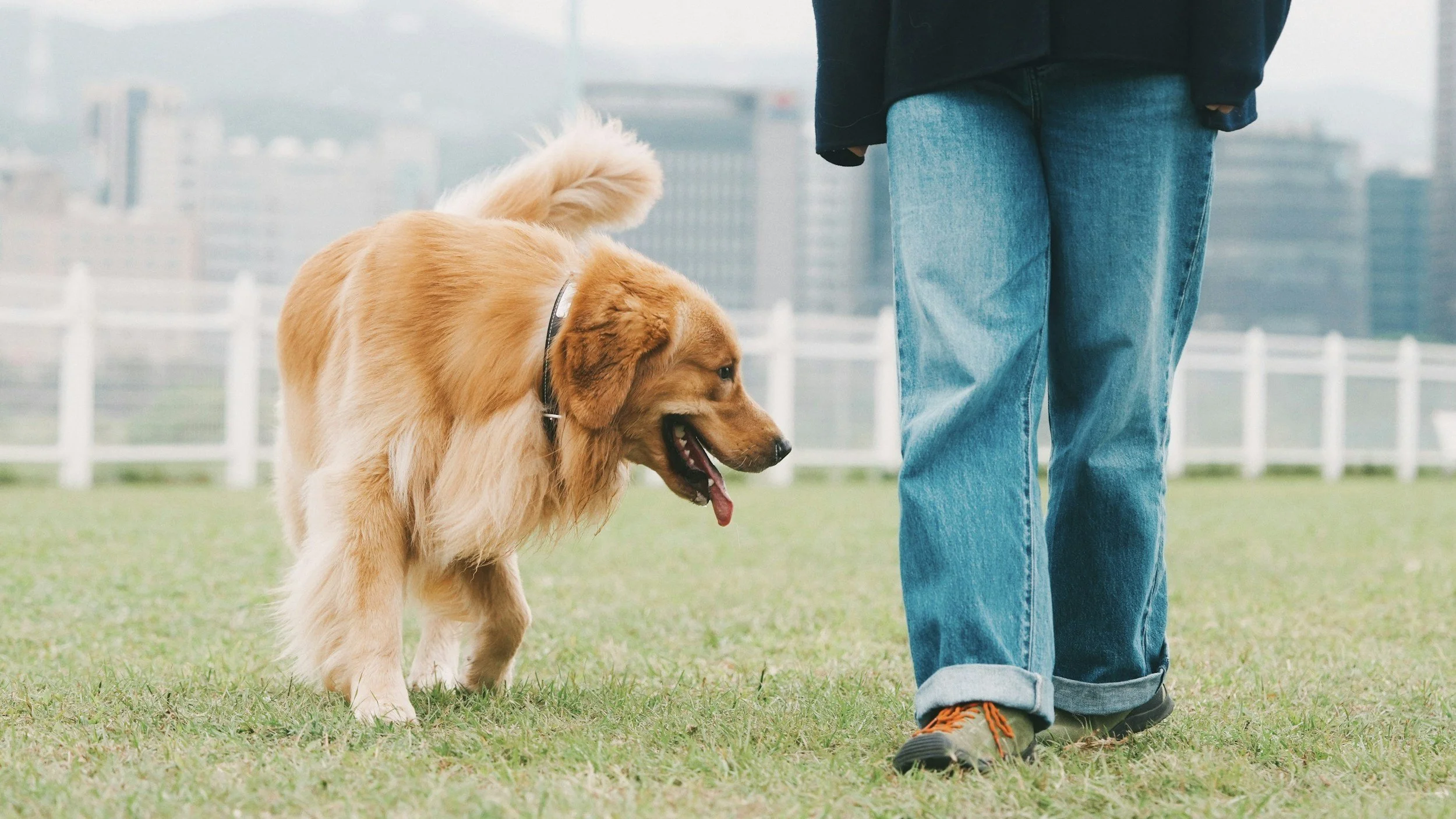
What Is Velcro-Dog Behaviour?
Velcro dogs:
follow you room to room
struggle to settle alone
become distressed when separated
constantly seek physical contact
This behaviour is often learned, not innate.
Why Independence Is a Skill
Dogs aren’t born knowing how to self-settle. Independence must be taught — just like sit or stay.
Benefits include:
reduced anxiety
better emotional regulation
improved confidence
easier routine changes
Common Mistakes That Reinforce Clinginess
Many owners accidentally reward dependent behaviour by:
constant reassurance
allowing following everywhere
dramatic departures and arrivals
responding immediately to attention-seeking
Awareness is the first step to change.
Start With Micro-Separations
Begin with:
stepping away for seconds, not minutes
closing a door briefly
sitting across the room
Calm success builds confidence.
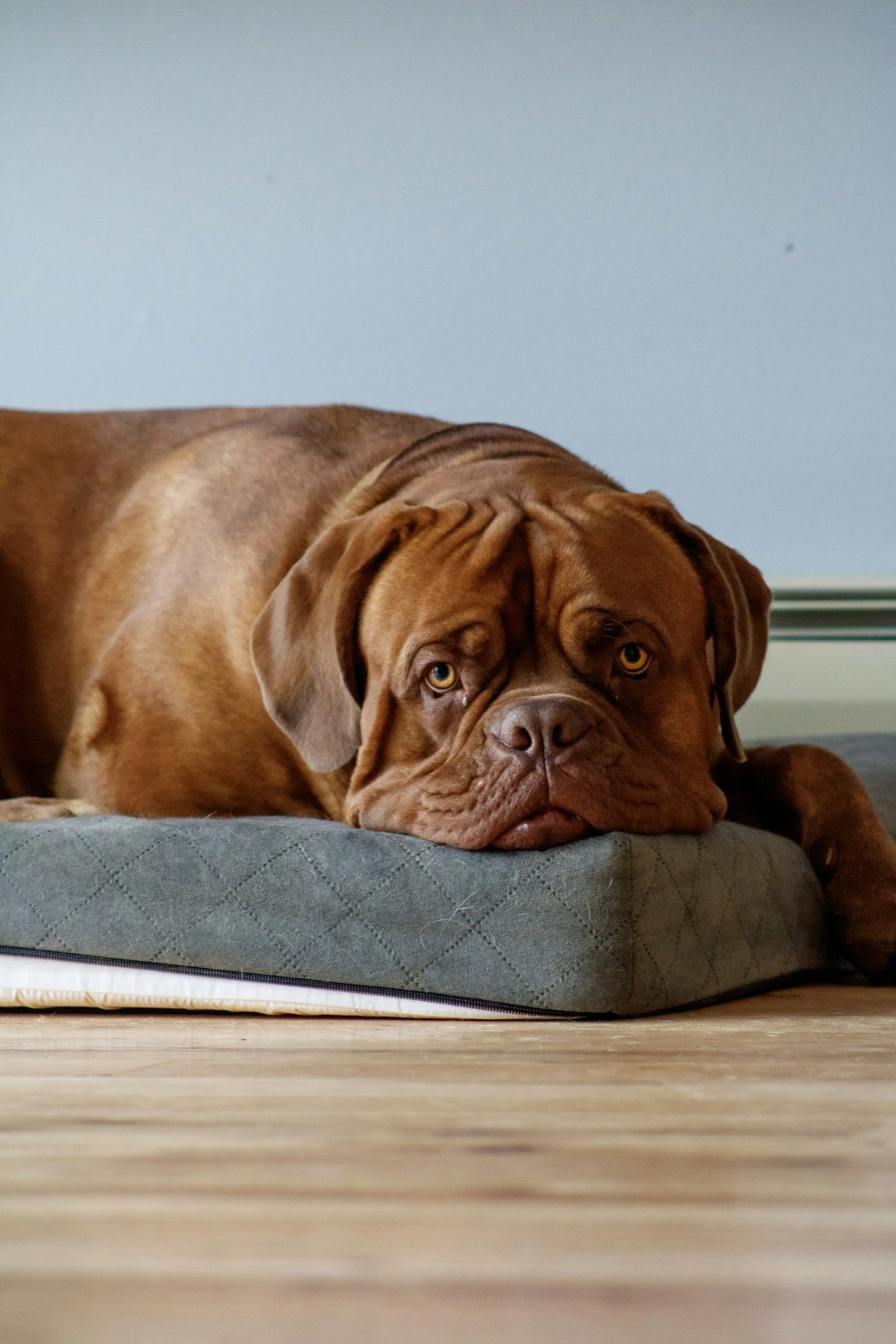
Create a Safe, Predictable Resting Space
Dogs need a place where nothing is expected of them.
Recommended Products:
Enrichment That Encourages Independence
Mental engagement helps dogs relax.
Great options include:
frozen KONGs
lick mats
scent games
Recommended Products:
Reward Calm, Not Clingy Behaviour
Notice and reinforce:
quiet settling
choosing rest over following
relaxed body language
Even subtle acknowledgement matters.
When to Seek Professional Help

If independence struggles escalate to:
destructive behaviour
vocalisation
panic responses
A qualified trainer or behaviourist can help.
Remember…..
Independence builds confidence — and confident dogs are calmer, happier, and more resilient.
Recommended Products:
Here are the tools to help with independence from this article:
Every purchase through our links supports WCK and helps us keep creating free resources for our community. Thank you for loving your pets — and letting us love them too. ❤️
References
American Kennel Club (AKC)
Separation Anxiety in Dogs
https://www.akc.org/expert-advice/training/separation-anxiety-in-dogs/
RSPCA Australia
Helping Dogs Feel Comfortable Alone
https://kb.rspca.org.au/knowledge-base/how-can-i-help-my-dog-feel-comfortable-being-left-alone/
ASPCA
Separation Anxiety
https://www.aspca.org/pet-care/dog-care/common-dog-behavior-issues/separation-anxiety
International Association of Animal Behavior Consultants (IAABC)
Understanding Canine Anxiety and Independence
https://iaabc.org/about/lima/
VCA Animal Hospitals
Helping Dogs Cope with Being Alone
https://vcahospitals.com/know-your-pet/helping-your-dog-cope-with-separation-anxiety