
Clean Teeth, Fresh Breath: Simple Dental Care for a Healthier Dog
Dental health is about far more than fresh breath. Poor oral hygiene can lead to gum disease, pain, infections, and even impact your dog’s heart, liver, and kidneys. The good news? Supporting your dog’s dental health doesn’t have to be complicated or stressful.
With the right tools and a simple routine, you can protect your dog’s teeth and gums — and improve their overall health in the process.
Why Dental Health Is a Whole-Body Issue
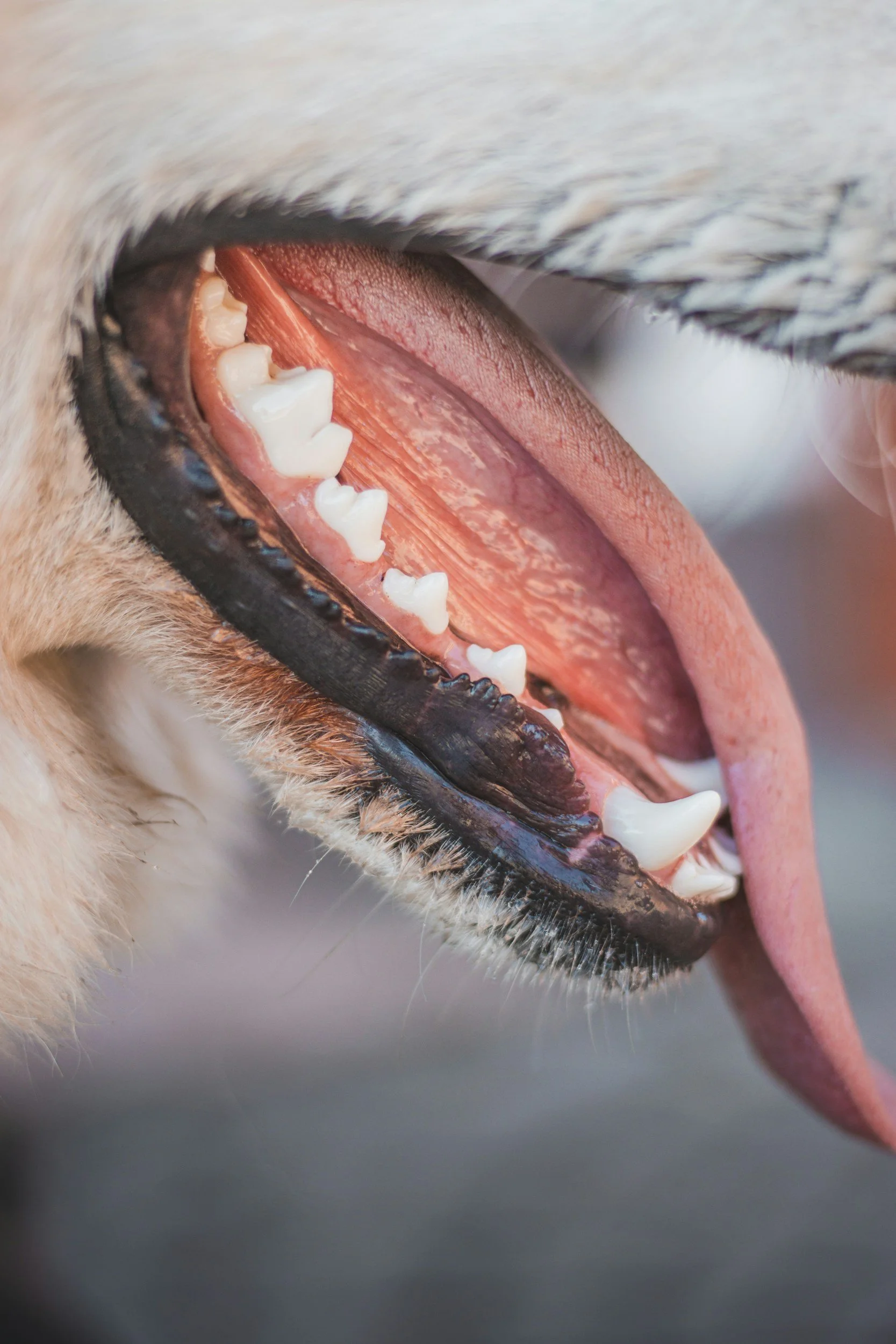
Many owners are surprised to learn that dental disease doesn’t stay in the mouth. Bacteria from infected gums can enter the bloodstream and place strain on major organs over time.
Healthy teeth and gums help support:
heart health
kidney and liver function
immune system balance
comfort and appetite
Bad breath is often the first visible warning sign, not the main problem.
What’s Normal — and What’s Not
Some mild dog breath can be normal. These signs are not:
persistent bad odor
red or bleeding gums
yellow or brown buildup on teeth
reluctance to chew hard foods
pawing at the mouth
If you notice these, it’s time to act.
Brushing: The Gold Standard (But Not All or Nothing)
Daily brushing is ideal — but even brushing a few times per week can significantly reduce plaque.
Tips for success:
start slow and keep sessions short
use dog-safe toothpaste only
let your dog lick toothpaste first
reward calm behaviour, not perfection
Recommended Products (Amazon Affiliate):

Dental Chews: What Actually Works
Dental chews should supplement brushing, not replace it.
Look for chews that:
are appropriately sized
encourage chewing (not gulping)
have textured surfaces
Recommended Products:
Water Additives & Sprays
These can help reduce bacteria, especially for dogs that resist brushing.
Best used:
alongside brushing or chews
as part of a broader routine
Recommended Product:
Breed & Age Considerations
Small breeds often develop dental issues earlier
Large breeds may hide pain longer
Puppies benefit from early mouth handling
Seniors may need gentler approaches
When to See Your Vet
If dental disease is advanced, professional cleaning may be necessary. Early intervention makes future care easier and less invasive.
Remember…
Dental care isn’t about perfection — it’s about consistency. A few minutes a week can add years of comfort and health to your dog’s life.
Recommended Products:
Here are the indoor play essentials from this article:
Every purchase through our links supports WCK and helps us keep creating free resources for our community. Thank you for loving your pets — and letting us love them too. ❤️
References
American Veterinary Dental College (AVDC)
Pet Dental Care
https://avdc.org/pet-owner-resources/American Veterinary Medical Association (AVMA)
Taking Care of Your Pet’s Teeth
https://www.avma.org/resources/pet-owners/petcare/taking-care-your-pets-teethRSPCA Australia
Dental Disease in Dogs
https://www.rspca.org.au/library/dental-disease-dogsVCA Animal Hospitals
Dental Disease in Dogs
https://vcahospitals.com/know-your-pet/dental-disease-in-dogsWSAVA (World Small Animal Veterinary Association)
Global Dental Guidelines
https://wsava.org/global-guidelines/dental-guidelines/