
Spring Refresh: Managing Shedding Season Like a Pro
As the days get longer and the temperatures start to rise, you may notice something else changing — fur. Everywhere.
Spring shedding is completely normal. As dogs transition from their thicker winter coats to lighter spring coats, their bodies naturally release excess hair. But while shedding is normal, excessive shedding, dull coat texture, or itchy skin may signal something else going on.
Let’s break down what’s expected — and what you can do about it.
Why Dogs Shed More in Spring
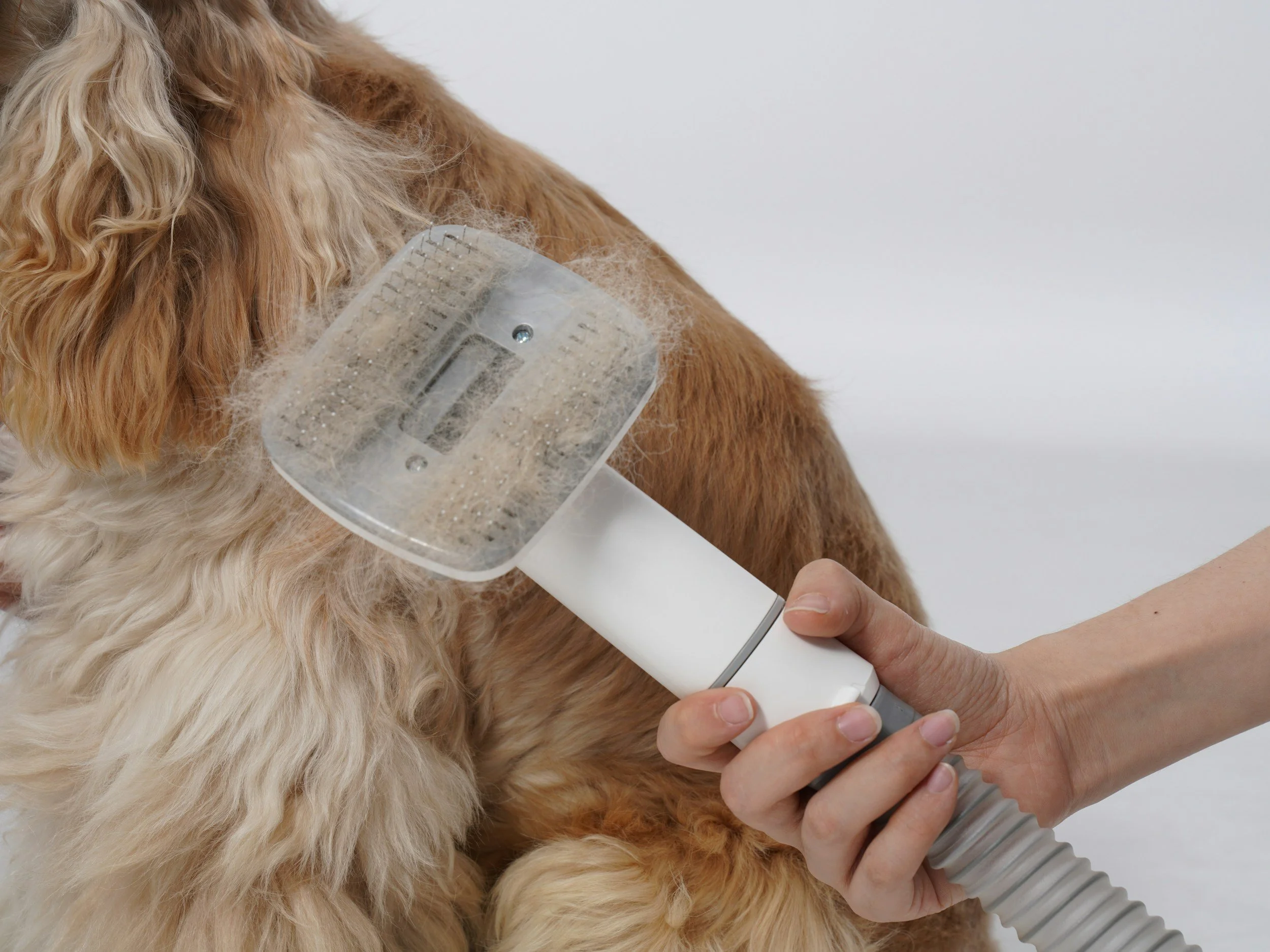
Most breeds (especially double-coated breeds) respond to daylight changes, not just temperature. As sunlight increases, their bodies adjust their coat cycles. Even short-haired breeds can experience noticeable seasonal shedding.
If your vacuum is working overtime right now, you’re not alone.
Step 1: Increase Brushing Frequency
During shedding season, brushing should increase to at least 3–4 times per week, and for heavy shedders, even daily.
Highly Recommended Tools:
🐾 FURminator Undercoat Deshedding Tool – excellent for removing loose undercoat safely
🐾 Slicker Brush – ideal for daily maintenance
🐾 KONG ZoomGroom Rubber Brush – great for short-coated breeds and bath time use
Regular brushing:
Reduces hair in your home
Stimulates healthy skin oils
Prevents matting
Strengthens bond time
Step 2: Support the Coat from the Inside
A healthy coat starts with nutrition.
If shedding seems excessive or coat looks dull, consider adding:
🐶 Salmon-based premium dog food formulas
🥄 Coconut oil (small, vet-approved amounts)
Omega-3 fatty acids support:
Skin barrier health
Reduced inflammation
Shinier coat
Less breakage

Step 3: Bathing — Don’t Overdo It
Bathing can help remove loose hair, but too frequent washing strips natural oils.
Best practice:
Bathe every 4–6 weeks unless dirty
Use a gentle, moisturizing shampoo
Recommended:
🛁 Earthbath Oatmeal & Aloe Shampoo (great for sensitive skin)
Always brush before bathing to loosen shedding hair first.
When Shedding Isn’t “Normal”
Contact your veterinarian if you notice:
Bald patches
Red, irritated skin
Excessive scratching
Hair loss in specific areas
Lethargy or appetite changes
Seasonal shedding should be even and gradual — not patchy or inflamed.
Final Thought
Shedding season doesn’t have to mean chaos. With the right tools, nutrition, and routine, spring coat changes can be managed calmly and efficiently.
And if you’d prefer to leave the fur storms to the professionals — we’re always here to help.
Recommended Products:
Here are the indoor play essentials from this article:
Every purchase through our links supports WCK and helps us keep creating free resources for our community. Thank you for loving your pets — and letting us love them too. ❤️
References
American Kennel Club (AKC). “Why Do Dogs Shed?”
https://www.akc.org/expert-advice/health/why-do-dogs-shed/American Society for the Prevention of Cruelty to Animals (ASPCA). “Grooming Your Dog.”
https://www.aspca.org/pet-care/dog-care/dog-grooming-tipsPetMD. “Excessive Shedding in Dogs.”
https://www.petmd.com/dog/general-health/excessive-shedding-dogsNational Research Council. Nutrient Requirements of Dogs and Cats. National Academies Press. (Omega-3 and coat health research)