
Mastering the Art of the Polite Greeting
When the doorbell rings and your dog charges the entryway like a furry missile, it can feel like all those “good manners” flew right out the window. But don’t worry — even the most excitable greeter can learn to stay calm when guests arrive. Teaching polite greetings isn’t about squashing your dog’s joy; it’s about giving that enthusiasm a bit of structure.
🎯 Why Dogs Jump (and Why It’s Not Bad Behavior)
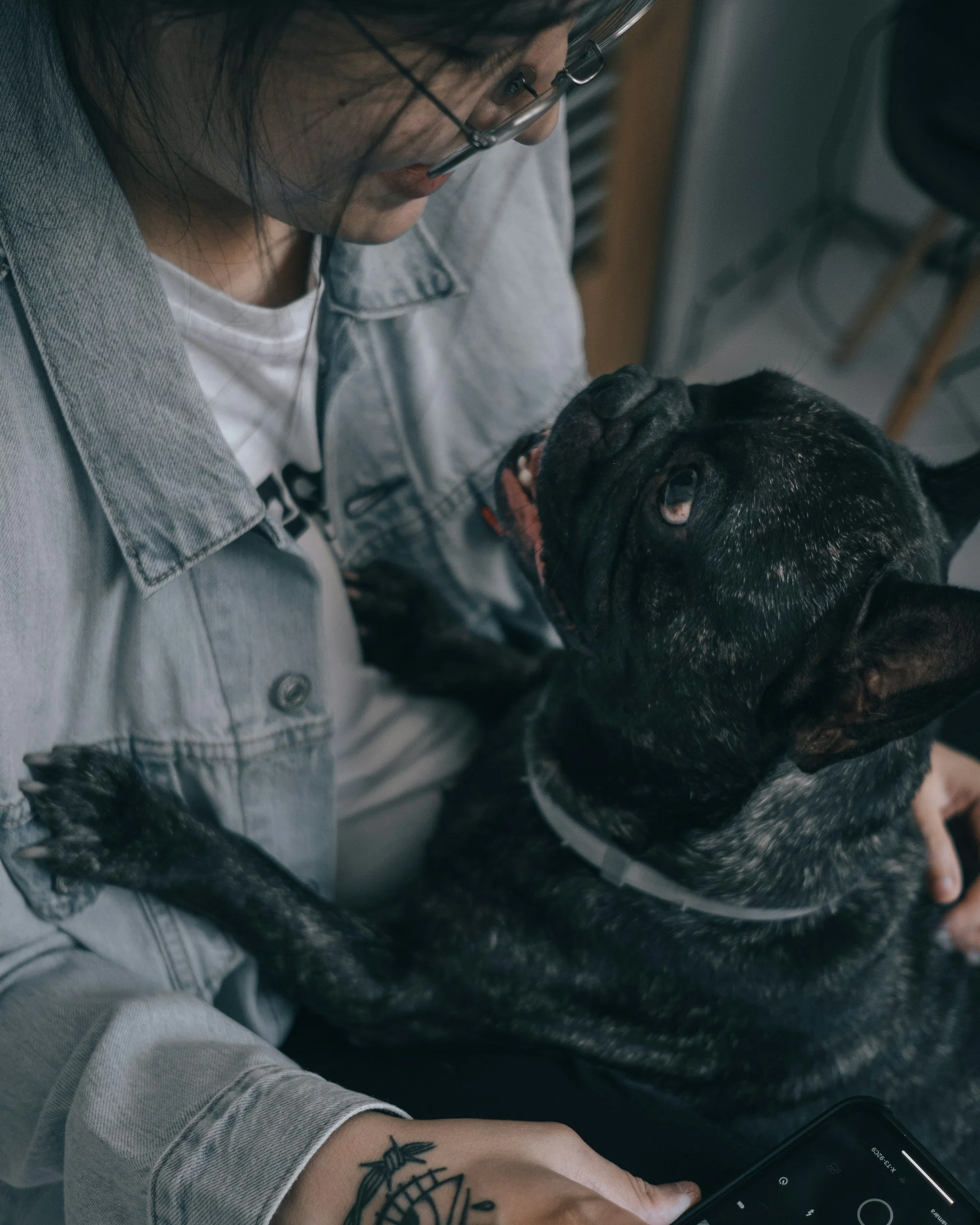
Jumping up is a normal way for dogs to say hello. In the canine world, it’s how they get closer to your face — the source of all good things like attention, smiles, and snacks. But when paws meet polished shoes, it’s time for some gentle re-training. The goal: help your dog learn that keeping all four paws on the ground gets them what they want most — you.
Step-by-Step:
Teaching Calm Hellos
Start with “Sit to Say Hi.”
Ask your dog to sit before anyone greets them. No sit, no hello. Keep it simple and consistent — your dog will learn that calm equals reward.Reward Instantly.
Timing is everything. The second those paws stay down, offer a treat and praise. If your dog pops up again, step back and try again.Practice with Family First.
It’s easier to train in a quiet setting before guests arrive. Have family members approach one at a time, ring the doorbell, and calmly enter.Level Up with Real Visitors.
Once your dog masters the basics, invite a friend to help. Let your dog see them come in, ask for a sit, reward the calm greeting — repeat until it’s boring (which is exactly what you want).Use a Martingale and Short Lead for Control.
A 4–6 ft lead paired with a properly fitted Martingale collar gives you gentle control without putting strain on the shoulders or back. You’re not pulling your dog — just setting a calm, clear boundary while they learn self-control.Foot-on-Lead Technique (Trainer’s Favorite).
Have your dog stand or sit naturally with their leash attached. Let the leash hang loosely so it touches the ground, then place your foot lightly on it near your dog. Ask a helper to approach. If your dog tries to jump, the leash naturally limits how high they can lift their head — stopping the jump safely and clearly. Praise and reward the moment your dog stays grounded. This method teaches boundaries through calm consistency, not correction.
🧠 Trainer’s Tip: Don’t Punish Excitement
Scolding or pushing your dog away can confuse them. Instead, calmly remove attention when they jump, and immediately reward when they stay down. Dogs learn by what works — and being ignored definitely doesn’t!
🛍️ Product Spotlight: Tools That Help
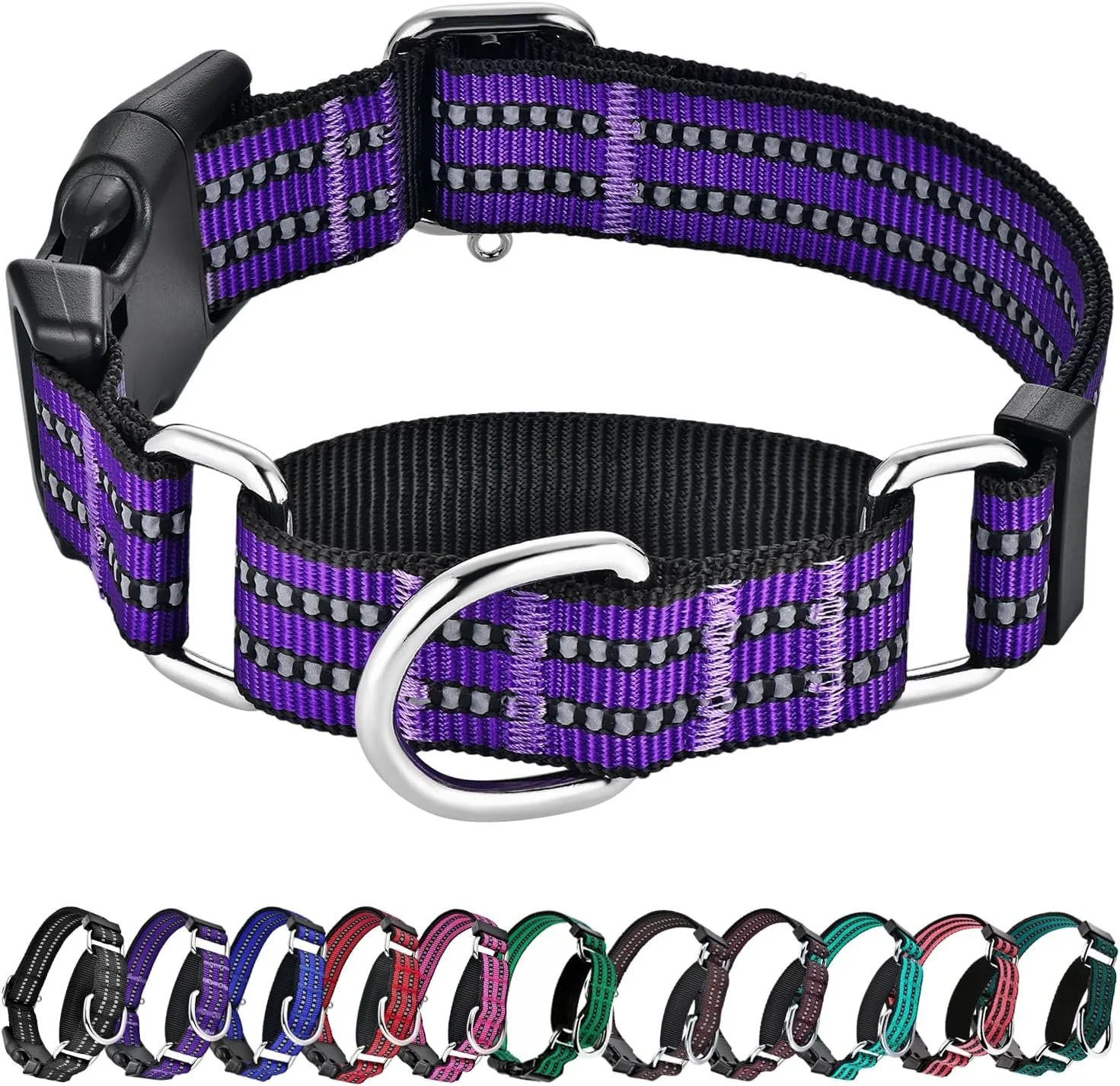
Martingale Collar
offers gentle correction and better control without pressure on the dog’s shoulders or back. When fitted correctly, it tightens just enough to prevent slipping and releases instantly when tension stops

Natural Training Treats
Look for treats made from simple, recognizable ingredients. Avoid artificial colors and preservatives — the fewer ingredients, the better.
Keep it Fun!
Short, upbeat sessions work best. Think five minutes a few times a day, not a marathon of “sit… stay… no, sit again.” And remember… dogs learn faster when you end on a win.
❤️ The Payoff
With consistency, your dog learns that calm greetings make everyone happy — especially you. Soon, that wild welcome turns into a tail wag and a polite sit. Training like this doesn’t just improve manners; it strengthens your bond, builds trust, and makes every hello a moment of pride.
References:
https://karenpryoracademy.com/
https://www.whole-dog-journal.com/
https://www.dogownersacademy.com/
Recommended Products:

This combination of melatonin and natural ingredients like Chamomile combine to help alleviate stress, effectively generate a calming effect & aid in improving overall well-being.

Featuring a plush cover, sturdy shredded foam, and an extra-padded base—twice as thick as competitors. It offers superior support for arthritis by relieving pressure in joints and spines, especially in large or aging dogs. Every nap becomes a luxurious, ache-soothing escape.