
Why Not All Dogs Need Group Play: The Value of Controlled Boarding Environments
When people think of dog boarding, they often picture large groups of dogs running together in open play yards.
It sounds fun. It looks social.
But here’s the truth — not all dogs benefit from group play, and in many cases, a calm, controlled environment is actually healthier and safer.
At World Class Kennels, we intentionally avoid mixing unfamiliar dogs together. And there’s a very good reason for that.
🐾 Not Every Dog Enjoys Social Mixing
Dogs, like people, have different personalities.
Some are:
Confident and social
Reserved and selective
Easily overstimulated
Protective of space
Sensitive to new environments
Placing unfamiliar dogs together can:
Increase stress hormones
Create competition dynamics
Lead to overstimulation
Cause subtle tension that escalates quickly
Many behavioral issues don’t come from “aggression” — they come from unmanaged social pressure.
A boarding stay should feel stable, not chaotic.
🐾 Calm Environments Protect Temperament
Dogs thrive on:
Predictability
Clear boundaries
Structured routines
Calm leadership
When dogs are constantly interacting with unfamiliar dogs, especially in high-energy environments, they can return home:
More reactive
Overstimulated
Mentally exhausted
Or having picked up undesirable behaviors
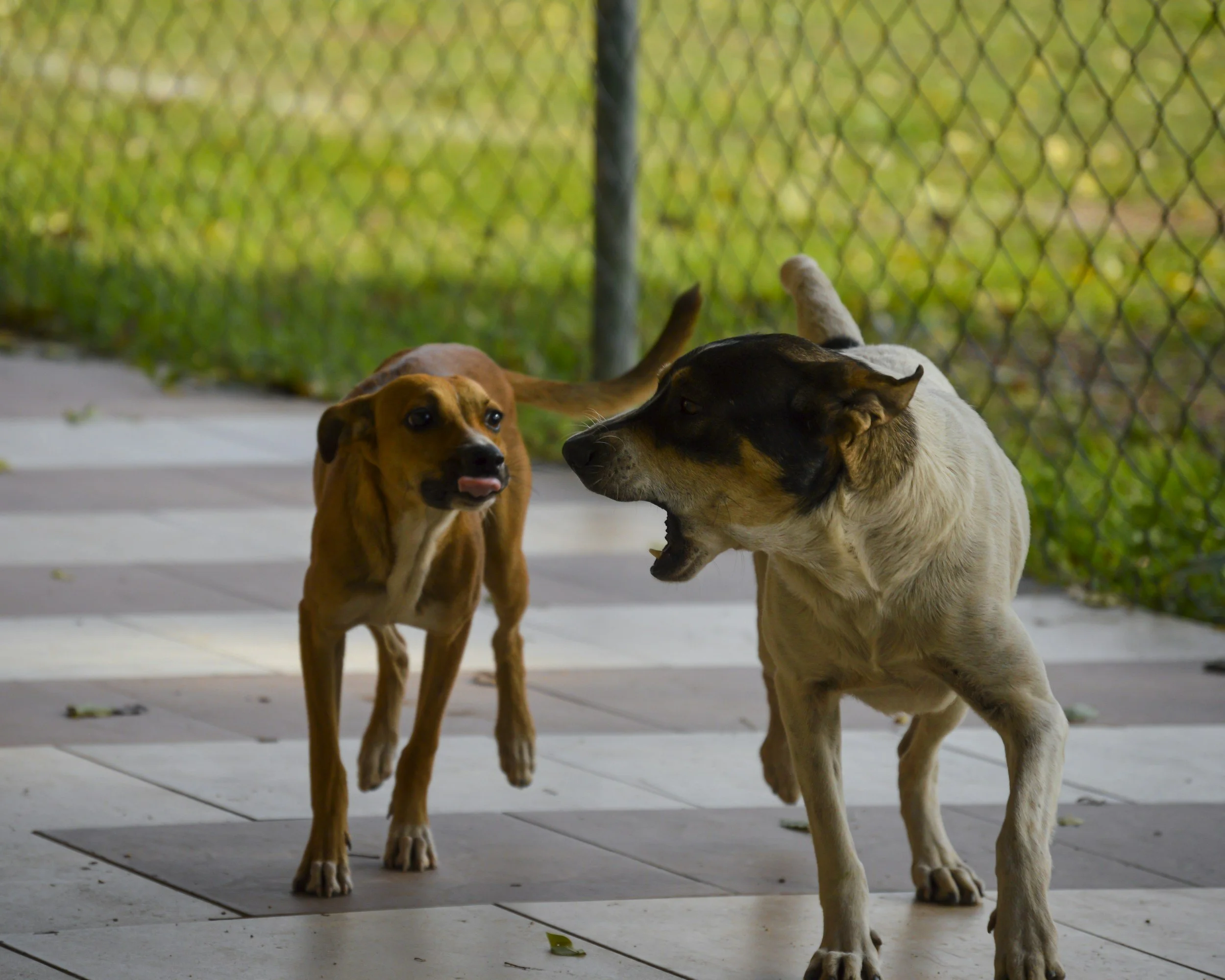
A controlled boarding environment protects your dog’s temperament and preserves the training you’ve worked hard to build.
🦠 Reduced Risk of Illness Transmission
There’s another major benefit that many people don’t consider: disease prevention.
When dogs do not have direct physical contact with unfamiliar dogs, it significantly reduces the risk of spreading:
Kennel cough (Bordetella)
Canine influenza
Parasites
Gastrointestinal viruses
Skin infections
Even vaccinated dogs can carry and transmit certain pathogens.
By limiting nose-to-nose contact and shared saliva exposure, the likelihood of rapid spread drops dramatically.
Controlled spacing is not antisocial — it’s preventative care.
🐶 Quality Care Over Quantity of Play
Mental enrichment, individual attention, structured walks, and safe exercise are far more beneficial than uncontrolled group activity.
Some dogs truly prefer:
Their own space
Predictable routines
Calm surroundings
One-on-one interaction
And that’s okay.
Boarding should be about safety, stability, and wellbeing, not just entertainment.
🛠 Helpful At-Home Support for Calm Confidence
To maintain balanced behavior before and after boarding, consider:
🦴 Enrichment tools like snuffle mats
🧠 Puzzle feeders to build mental resilience
🐶 Crate training to promote comfort in personal space
Structured independence builds confidence — not isolation.
Final Thought
Socialization does not mean constant contact.
A thoughtfully managed environment reduces stress, protects health, and preserves your dog’s natural temperament.
Sometimes, the best care isn’t the loudest — it’s the calmest.
References
American Veterinary Medical Association (AVMA). “Boarding Your Pet.”
https://www.avma.org/resources-tools/pet-owners/petcare/boarding-your-petAmerican Veterinary Society of Animal Behavior (AVSAB). Position Statements on Stress and Socialization
https://avsab.org/resources/position-statements/Centers for Disease Control and Prevention (CDC). “Healthy Pets, Healthy People.”
https://www.cdc.gov/healthypets/Cornell University College of Veterinary Medicine. “Infectious Respiratory Disease in Dogs.”
https://www.vet.cornell.edu/departments-centers-and-institutes/cornell-feline-health-center/health-information